Buy bookmarkit.info ?
We are moving the project
bookmarkit.info .
Are you interested in purchasing the domain
bookmarkit.info ?
domain@kv-gmbh.de · 0541-91531010
Buy bookmarkit.info ?
How can one cover radiator pipes?
One way to cover radiator pipes is by using pipe covers or sleeves made of materials such as plastic or metal. These covers can easily be installed over the pipes to conceal them and create a more polished look. Another option is to build a custom enclosure around the pipes using materials like wood or drywall, which can be painted or decorated to match the room's decor. Whichever method is chosen, it is important to ensure that the covers or enclosures do not obstruct the flow of heat from the radiator. **
Which fastening screw is needed for the upper radiator cover?
The upper radiator cover typically requires a fastening screw that is compatible with the specific make and model of the vehicle. It is important to refer to the vehicle's manual or consult with a mechanic to determine the exact size and type of fastening screw needed for the upper radiator cover. Using the correct fastening screw is crucial to ensure that the cover is securely attached and provides proper protection for the radiator. **
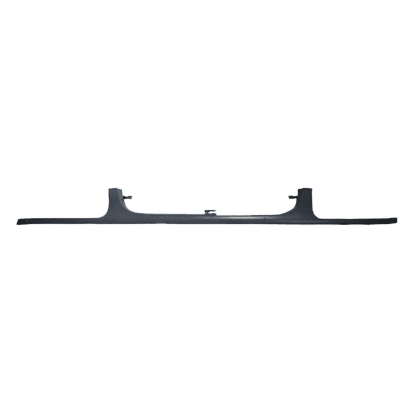

Similar search terms for DIEDERICHS-7833044-Cover-radiator
Top-Angebote
Products related to DIEDERICHS-7833044-Cover-radiator:


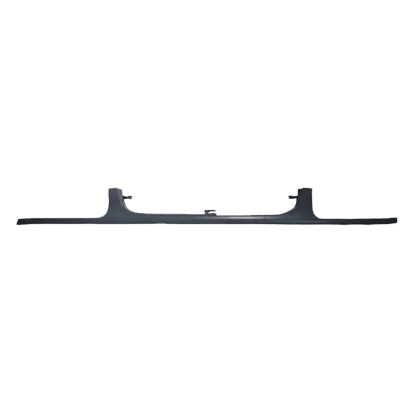
-
Which radiator heats better: a flat panel radiator or a ribbed radiator?
A ribbed radiator typically heats better than a flat panel radiator. The ribbed design increases the surface area of the radiator, allowing for more efficient heat transfer. This means that a ribbed radiator can heat a room more quickly and effectively than a flat panel radiator. Additionally, the ribbed design allows for better circulation of air, further enhancing its heating capabilities. **
-
Is a 420mm radiator stronger than a 480mm radiator?
In general, the size of a radiator does not necessarily determine its strength. The strength of a radiator is typically determined by factors such as the material it is made of, the design of the fins and tubes, and the quality of the pump. Therefore, a 420mm radiator may not necessarily be stronger than a 480mm radiator. It is important to consider the specific specifications and performance metrics of each radiator to determine which one is stronger for your particular cooling needs. **
-
What is that blue cover with an H in the engine compartment in front of the radiator?
That blue cover with an H in the engine compartment is likely the engine cover. It is designed to protect the engine and its components from debris and dust. It also helps to reduce engine noise and improve the overall appearance of the engine bay. The H may be the logo of the car manufacturer or the specific model of the vehicle. **
-
How can one repair a radiator with a radiator sealant?
To repair a radiator with a radiator sealant, first, ensure the engine is cool and the radiator is not under pressure. Then, locate the radiator cap and pour the sealant directly into the radiator. After adding the sealant, start the engine and let it run for about 15-20 minutes to allow the sealant to circulate and seal any leaks. Finally, check for any remaining leaks and top up the coolant if necessary. **
How do I remove the radiator from the radiator grille?
To remove the radiator from the radiator grille, you will first need to locate and remove any screws or bolts that are holding the radiator in place. Once these are removed, carefully disconnect any hoses or electrical connections attached to the radiator. Then, gently lift the radiator out of the grille, being careful not to damage any surrounding components. It's important to follow the specific instructions for your vehicle, as the process may vary depending on the make and model. If you're unsure, it's best to consult a professional mechanic or refer to the vehicle's manual for guidance. **
How can an old radiator be replaced with a towel radiator?
To replace an old radiator with a towel radiator, you will first need to turn off the central heating system and drain the water from the existing radiator. Next, remove the old radiator from the wall by disconnecting the valves and brackets. Install the towel radiator in its place by fixing the brackets securely to the wall and connecting the valves. Finally, refill the central heating system and bleed the towel radiator to remove any air bubbles. **
Top-Angebote
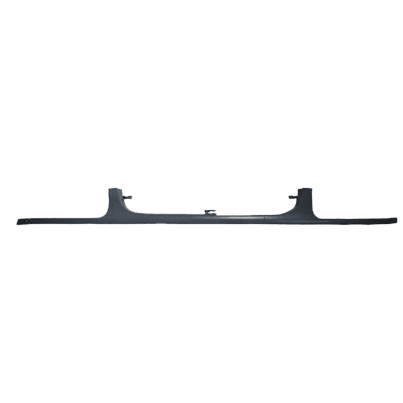
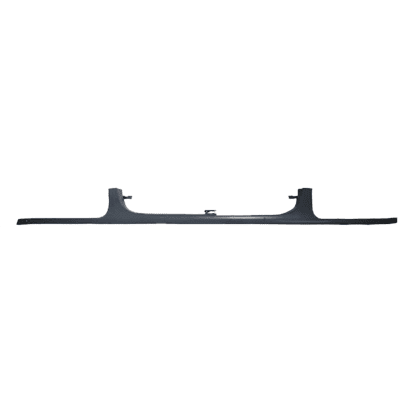
Products related to DIEDERICHS-7833044-Cover-radiator:
-
How can one cover radiator pipes?
One way to cover radiator pipes is by using pipe covers or sleeves made of materials such as plastic or metal. These covers can easily be installed over the pipes to conceal them and create a more polished look. Another option is to build a custom enclosure around the pipes using materials like wood or drywall, which can be painted or decorated to match the room's decor. Whichever method is chosen, it is important to ensure that the covers or enclosures do not obstruct the flow of heat from the radiator. **
-
Which fastening screw is needed for the upper radiator cover?
The upper radiator cover typically requires a fastening screw that is compatible with the specific make and model of the vehicle. It is important to refer to the vehicle's manual or consult with a mechanic to determine the exact size and type of fastening screw needed for the upper radiator cover. Using the correct fastening screw is crucial to ensure that the cover is securely attached and provides proper protection for the radiator. **
-
Which radiator heats better: a flat panel radiator or a ribbed radiator?
A ribbed radiator typically heats better than a flat panel radiator. The ribbed design increases the surface area of the radiator, allowing for more efficient heat transfer. This means that a ribbed radiator can heat a room more quickly and effectively than a flat panel radiator. Additionally, the ribbed design allows for better circulation of air, further enhancing its heating capabilities. **
-
Is a 420mm radiator stronger than a 480mm radiator?
In general, the size of a radiator does not necessarily determine its strength. The strength of a radiator is typically determined by factors such as the material it is made of, the design of the fins and tubes, and the quality of the pump. Therefore, a 420mm radiator may not necessarily be stronger than a 480mm radiator. It is important to consider the specific specifications and performance metrics of each radiator to determine which one is stronger for your particular cooling needs. **
Similar search terms for DIEDERICHS-7833044-Cover-radiator
-
What is that blue cover with an H in the engine compartment in front of the radiator?
That blue cover with an H in the engine compartment is likely the engine cover. It is designed to protect the engine and its components from debris and dust. It also helps to reduce engine noise and improve the overall appearance of the engine bay. The H may be the logo of the car manufacturer or the specific model of the vehicle. **
-
How can one repair a radiator with a radiator sealant?
To repair a radiator with a radiator sealant, first, ensure the engine is cool and the radiator is not under pressure. Then, locate the radiator cap and pour the sealant directly into the radiator. After adding the sealant, start the engine and let it run for about 15-20 minutes to allow the sealant to circulate and seal any leaks. Finally, check for any remaining leaks and top up the coolant if necessary. **
-
How do I remove the radiator from the radiator grille?
To remove the radiator from the radiator grille, you will first need to locate and remove any screws or bolts that are holding the radiator in place. Once these are removed, carefully disconnect any hoses or electrical connections attached to the radiator. Then, gently lift the radiator out of the grille, being careful not to damage any surrounding components. It's important to follow the specific instructions for your vehicle, as the process may vary depending on the make and model. If you're unsure, it's best to consult a professional mechanic or refer to the vehicle's manual for guidance. **
-
How can an old radiator be replaced with a towel radiator?
To replace an old radiator with a towel radiator, you will first need to turn off the central heating system and drain the water from the existing radiator. Next, remove the old radiator from the wall by disconnecting the valves and brackets. Install the towel radiator in its place by fixing the brackets securely to the wall and connecting the valves. Finally, refill the central heating system and bleed the towel radiator to remove any air bubbles. **
* All prices are inclusive of VAT and, if applicable, plus shipping costs. The offer information is based on the details provided by the respective shop and is updated through automated processes. Real-time updates do not occur, so deviations can occur in individual cases. ** Note: Parts of this content were created by AI.