Buy bookmarkit.info ?
We are moving the project
bookmarkit.info .
Are you interested in purchasing the domain
bookmarkit.info ?
domain@kv-gmbh.de · 0541-91531010
Buy bookmarkit.info ?
Which gods did the Inuit have?
The Inuit people traditionally believed in a pantheon of gods and spirits that were closely tied to the natural world. Some of the most important Inuit gods included Sedna, the goddess of the sea and marine animals, and Sila, the spirit of the sky, weather, and life force. Other important figures in Inuit mythology included Nanook, the master of bears, and Pinga, the goddess of the hunt and fertility. These gods and spirits played a central role in Inuit religious practices and beliefs, helping to explain and make sense of the natural world around them. **
Why are the Inuit so tanned?
The Inuit have a tanned complexion due to their adaptation to living in the Arctic region. The tanned skin helps to protect them from the harsh UV rays that are reflected off the snow and ice. Additionally, the Inuit have a diet rich in vitamin D from sources like fish and marine mammals, which also contributes to their tanned complexion. This adaptation allows them to live in their environment and absorb the necessary nutrients from the sun. **


Similar search terms for Inuit
Top-Angebote
Products related to Inuit:
-
Thumbs Up Care Bears Digital Pet - Share BearMeet Share Bear, the sweet purple Care Bear brought to life as an interactive handheld virtual pet. Small, colourful and full of personality, she brings classic Care Bears charm into a fun digital play experience you can take anywhere. With her signature heart shaped lollipop belly badge, Share Bear encourages kindness and caring through simple mini games, nurturing activities and expressive pixel style animations. Children can look after her, play along and enjoy gentle lessons about empathy, friendship and sharing while having fun. Unlock the magic with retro inspired gameplay and easy portable fun that blends 90s nostalgia with modern screen time enjoyment. A lovely gift idea for Care Bears fans, collectors or anyone looking for a positive and playful virtual pet companion. • Meet Share Bear: The lovable purple Care Bear with her heart-shaped lollipop belly badge, brought to life as a fun and interactive virtual pet. • Kindness-Focused Mini Games: Play simple games that encourage sharing and positive play, helping children learn through fun interaction. • Care & Nurture Gameplay: Feed, clean and look after Share Bear just like a classic virtual pet, building caring habits along the way. • Retro Pixel Screen Display: Watch her world come to life on a compact, colourful pixel screen that blends nostalgic charm with modern play. • Expressive Sounds & Reactions: Enjoy sweet animations, cheerful sounds and signature expressions that reflect Share Bear’s joyful personality. • Expressive Sounds & Reactions: Enjoy sweet animations, cheerful sounds and signature expressions that reflect Share Bear’s joyful personality. • Thoughtful Gift for Care Bears Fans: A cute and meaningful present for kids, collectors and anyone who loves nostalgic characters.15,49 £*Shipping: 0,00 £Secure redirect to the provider
-
Hermès Voyage D'Hérmes Eau de Toilette to Share 35mLAn eau de toilette. This product. Voyage d hermes expresses the proximity between home and adventurous trips. Fresh woody notes combined with musky scents, and amber. Directions supplied for this product state:. Olfactory Atmosphere. Fresh woody notes combined with musky scents, and amber..68,20 £*Shipping: 5,34 £Secure redirect to the provider
-
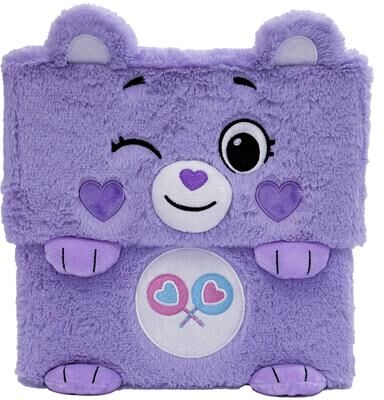
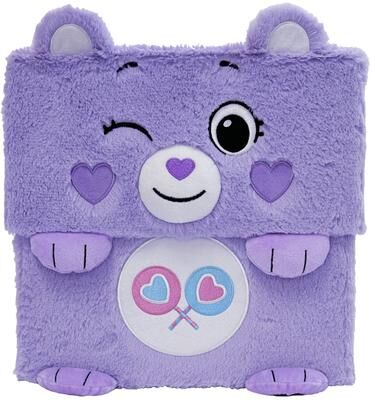
"Care Bears: Storables 8"" Box - Share Bear - Ages 1+""CARE BEARS: STORABLES 8"" - SHARE BEAR - Care Bears Storables! Join the craze and become amazed! Adorable Storables transform from a box to a cubby. Adorable Storables large lid allows you to have even more stuff in your storable."33,87 $*Shipping: 0,00 $Secure redirect to the provider


-
What do the Inuit call their land?
The Inuit call their land "Inuit Nunangat," which means "the homeland of the Inuit" in the Inuktitut language. **
-
What are the seasons of the Inuit?
The Inuit people recognize six seasons in their traditional calendar: Ukiuq (winter), Sivulliik (spring), Sikusiilaq (late spring), Aupilaaq (summer), Ukiangqailaaq (early fall), and Qiujuq (fall). Each season is marked by distinct environmental and weather conditions, as well as specific activities and cultural practices. These seasons are closely tied to the natural cycles of the Arctic environment and play a significant role in the Inuit way of life. **
-
Which term is correct: Eskimo or Inuit?
The term "Inuit" is considered more appropriate and respectful than "Eskimo." "Eskimo" is a term that has been used historically by non-Inuit people and has negative connotations in some Inuit communities. "Inuit" is the preferred term used by the indigenous people of the Arctic, encompassing various groups such as the Inupiat, Yupik, and others. It is important to use the term "Inuit" to show respect for their cultural identity and to avoid perpetuating harmful stereotypes. **
-
How do Inuit go to the toilet?
Inuit traditionally used a shallow hole dug in the snow or ice as a toilet, which is then covered up after use. This method is practical in the Arctic environment where the ground is frozen and covered in snow for much of the year. In more modern times, Inuit communities may have indoor plumbing and use regular toilets like those found in other parts of the world. **
Do the Inuit belong to the Turkic peoples?
No, the Inuit do not belong to the Turkic peoples. The Inuit are indigenous peoples who primarily inhabit the Arctic regions of Canada, Greenland, and Alaska. They have their own distinct language, culture, and history that are different from the Turkic peoples, who are a group of ethnicities primarily located in Central Asia and parts of Eastern Europe. **
What is the difference between Eskimos and Inuit?
The term "Eskimo" is a broad, outdated, and sometimes considered offensive term that was historically used to refer to the indigenous peoples inhabiting the Arctic regions of North America and Greenland. Inuit, on the other hand, is a specific term used to refer to the indigenous peoples of the Arctic regions of Canada and Greenland. Inuit is a more culturally sensitive and accurate term to use when referring to these specific indigenous groups, while Eskimo is a more general and outdated term. **
Top-Angebote
Products related to Inuit:
-
Scholastic Share Black Stories: Picture Book ProfilesThese three stories are tales of hope, courage, and inspiration.This set includes:Bessie the Motorcycle QueenI Am Ruby BridgesJust Like Jesse Owens Share Black Stories: Picture Book Profiles47,57 $*Shipping: 0,00 $Secure redirect to the provider
-
Pfaltzgraff Winterberry Red Ribbon Share Plate, 12 InchAs fall turns to winter, bright holly berries make their appearance. Winterberry by Pfaltzgraff is the holiday classic that brings this timeless motif to life in elegantly sculpted dinnerware and serveware, beautiful glassware, and joyous giftware.29,49 $*Shipping: 0,00 $Secure redirect to the provider
-
Thumbs Up Care Bears Digital Pet - Share BearMeet Share Bear, the sweet purple Care Bear brought to life as an interactive handheld virtual pet. Small, colourful and full of personality, she brings classic Care Bears charm into a fun digital play experience you can take anywhere. With her signature heart shaped lollipop belly badge, Share Bear encourages kindness and caring through simple mini games, nurturing activities and expressive pixel style animations. Children can look after her, play along and enjoy gentle lessons about empathy, friendship and sharing while having fun. Unlock the magic with retro inspired gameplay and easy portable fun that blends 90s nostalgia with modern screen time enjoyment. A lovely gift idea for Care Bears fans, collectors or anyone looking for a positive and playful virtual pet companion. • Meet Share Bear: The lovable purple Care Bear with her heart-shaped lollipop belly badge, brought to life as a fun and interactive virtual pet. • Kindness-Focused Mini Games: Play simple games that encourage sharing and positive play, helping children learn through fun interaction. • Care & Nurture Gameplay: Feed, clean and look after Share Bear just like a classic virtual pet, building caring habits along the way. • Retro Pixel Screen Display: Watch her world come to life on a compact, colourful pixel screen that blends nostalgic charm with modern play. • Expressive Sounds & Reactions: Enjoy sweet animations, cheerful sounds and signature expressions that reflect Share Bear’s joyful personality. • Expressive Sounds & Reactions: Enjoy sweet animations, cheerful sounds and signature expressions that reflect Share Bear’s joyful personality. • Thoughtful Gift for Care Bears Fans: A cute and meaningful present for kids, collectors and anyone who loves nostalgic characters.15,49 £*Shipping: 0,00 £Secure redirect to the provider
-
Hermès Voyage D'Hérmes Eau de Toilette to Share 35mLAn eau de toilette. This product. Voyage d hermes expresses the proximity between home and adventurous trips. Fresh woody notes combined with musky scents, and amber. Directions supplied for this product state:. Olfactory Atmosphere. Fresh woody notes combined with musky scents, and amber..68,20 £*Shipping: 5,34 £Secure redirect to the provider
-
Which gods did the Inuit have?
The Inuit people traditionally believed in a pantheon of gods and spirits that were closely tied to the natural world. Some of the most important Inuit gods included Sedna, the goddess of the sea and marine animals, and Sila, the spirit of the sky, weather, and life force. Other important figures in Inuit mythology included Nanook, the master of bears, and Pinga, the goddess of the hunt and fertility. These gods and spirits played a central role in Inuit religious practices and beliefs, helping to explain and make sense of the natural world around them. **
-
Why are the Inuit so tanned?
The Inuit have a tanned complexion due to their adaptation to living in the Arctic region. The tanned skin helps to protect them from the harsh UV rays that are reflected off the snow and ice. Additionally, the Inuit have a diet rich in vitamin D from sources like fish and marine mammals, which also contributes to their tanned complexion. This adaptation allows them to live in their environment and absorb the necessary nutrients from the sun. **
-
What do the Inuit call their land?
The Inuit call their land "Inuit Nunangat," which means "the homeland of the Inuit" in the Inuktitut language. **
-
What are the seasons of the Inuit?
The Inuit people recognize six seasons in their traditional calendar: Ukiuq (winter), Sivulliik (spring), Sikusiilaq (late spring), Aupilaaq (summer), Ukiangqailaaq (early fall), and Qiujuq (fall). Each season is marked by distinct environmental and weather conditions, as well as specific activities and cultural practices. These seasons are closely tied to the natural cycles of the Arctic environment and play a significant role in the Inuit way of life. **
Similar search terms for Inuit
-
"Care Bears: Storables 8"" Box - Share Bear - Ages 1+""CARE BEARS: STORABLES 8"" - SHARE BEAR - Care Bears Storables! Join the craze and become amazed! Adorable Storables transform from a box to a cubby. Adorable Storables large lid allows you to have even more stuff in your storable."33,87 $*Shipping: 0,00 $Secure redirect to the provider
-
"Care Bears: Storables 10"" Box - Share Bear - Ages 1+""CARE BEARS: STORABLES 10"" - SHARE BEAR - Care Bears Storables! Join the craze and become amazed! Adorable Storables transform from a box to a cubby. Adorable Storables large lid allows you to have even more stuff in your storable."62,49 $*Shipping: 0,00 $Secure redirect to the provider
-
"Care Bears: Storables 12"" Box - Share Bear - Ages 1+""CARE BEARS: STORABLES 12"" - SHARE BEAR - Care Bears Storables! Join the craze and become amazed! Adorable Storables transform from a box to a cubby. Adorable Storables large lid allows you to have even more stuff in your storable."59,44 $*Shipping: 0,00 $Secure redirect to the provider
-
Which term is correct: Eskimo or Inuit?
The term "Inuit" is considered more appropriate and respectful than "Eskimo." "Eskimo" is a term that has been used historically by non-Inuit people and has negative connotations in some Inuit communities. "Inuit" is the preferred term used by the indigenous people of the Arctic, encompassing various groups such as the Inupiat, Yupik, and others. It is important to use the term "Inuit" to show respect for their cultural identity and to avoid perpetuating harmful stereotypes. **
-
How do Inuit go to the toilet?
Inuit traditionally used a shallow hole dug in the snow or ice as a toilet, which is then covered up after use. This method is practical in the Arctic environment where the ground is frozen and covered in snow for much of the year. In more modern times, Inuit communities may have indoor plumbing and use regular toilets like those found in other parts of the world. **
-
Do the Inuit belong to the Turkic peoples?
No, the Inuit do not belong to the Turkic peoples. The Inuit are indigenous peoples who primarily inhabit the Arctic regions of Canada, Greenland, and Alaska. They have their own distinct language, culture, and history that are different from the Turkic peoples, who are a group of ethnicities primarily located in Central Asia and parts of Eastern Europe. **
-
What is the difference between Eskimos and Inuit?
The term "Eskimo" is a broad, outdated, and sometimes considered offensive term that was historically used to refer to the indigenous peoples inhabiting the Arctic regions of North America and Greenland. Inuit, on the other hand, is a specific term used to refer to the indigenous peoples of the Arctic regions of Canada and Greenland. Inuit is a more culturally sensitive and accurate term to use when referring to these specific indigenous groups, while Eskimo is a more general and outdated term. **
* All prices are inclusive of VAT and, if applicable, plus shipping costs. The offer information is based on the details provided by the respective shop and is updated through automated processes. Real-time updates do not occur, so deviations can occur in individual cases. ** Note: Parts of this content were created by AI.