Buy bookmarkit.info ?
We are moving the project
bookmarkit.info .
Are you interested in purchasing the domain
bookmarkit.info ?
domain@kv-gmbh.de · 0541-91531010
Buy bookmarkit.info ?
What does media literacy mean?
Media literacy refers to the ability to access, analyze, evaluate, and create media in a variety of forms. It involves understanding how media messages are constructed, and being able to critically assess the information and ideas presented. Media literacy also includes the skills to effectively communicate through media, and to use media in a responsible and ethical manner. Overall, media literacy empowers individuals to be informed and active participants in our media-saturated society. **
Does the truth really need media literacy?
Yes, the truth does need media literacy. Media literacy helps individuals critically analyze and evaluate the information they consume, enabling them to discern between factual information and misinformation. In today's digital age, where information is easily accessible and can be easily manipulated, media literacy is essential for ensuring that the truth is not distorted or misrepresented. By being media literate, individuals can better navigate the vast amount of information available to them and make informed decisions based on accurate and reliable sources. **

Similar search terms for Literacy
Top-Angebote
Products related to Literacy:
-
Thumbs Up Care Bears Digital Pet - Share BearMeet Share Bear, the sweet purple Care Bear brought to life as an interactive handheld virtual pet. Small, colourful and full of personality, she brings classic Care Bears charm into a fun digital play experience you can take anywhere. With her signature heart shaped lollipop belly badge, Share Bear encourages kindness and caring through simple mini games, nurturing activities and expressive pixel style animations. Children can look after her, play along and enjoy gentle lessons about empathy, friendship and sharing while having fun. Unlock the magic with retro inspired gameplay and easy portable fun that blends 90s nostalgia with modern screen time enjoyment. A lovely gift idea for Care Bears fans, collectors or anyone looking for a positive and playful virtual pet companion. • Meet Share Bear: The lovable purple Care Bear with her heart-shaped lollipop belly badge, brought to life as a fun and interactive virtual pet. • Kindness-Focused Mini Games: Play simple games that encourage sharing and positive play, helping children learn through fun interaction. • Care & Nurture Gameplay: Feed, clean and look after Share Bear just like a classic virtual pet, building caring habits along the way. • Retro Pixel Screen Display: Watch her world come to life on a compact, colourful pixel screen that blends nostalgic charm with modern play. • Expressive Sounds & Reactions: Enjoy sweet animations, cheerful sounds and signature expressions that reflect Share Bear’s joyful personality. • Expressive Sounds & Reactions: Enjoy sweet animations, cheerful sounds and signature expressions that reflect Share Bear’s joyful personality. • Thoughtful Gift for Care Bears Fans: A cute and meaningful present for kids, collectors and anyone who loves nostalgic characters.15,49 £*Shipping: 0,00 £Secure redirect to the provider
-
"Care Bears: Storables 12"" Box - Share Bear - Ages 1+""CARE BEARS: STORABLES 12"" - SHARE BEAR - Care Bears Storables! Join the craze and become amazed! Adorable Storables transform from a box to a cubby. Adorable Storables large lid allows you to have even more stuff in your storable."59,44 $*Shipping: 0,00 $Secure redirect to the provider
-
"Care Bears: Storables 8"" Box - Share Bear - Ages 1+""CARE BEARS: STORABLES 8"" - SHARE BEAR - Care Bears Storables! Join the craze and become amazed! Adorable Storables transform from a box to a cubby. Adorable Storables large lid allows you to have even more stuff in your storable."33,87 $*Shipping: 0,00 $Secure redirect to the provider
-
"Care Bears: Storables 10"" Box - Share Bear - Ages 1+""CARE BEARS: STORABLES 10"" - SHARE BEAR - Care Bears Storables! Join the craze and become amazed! Adorable Storables transform from a box to a cubby. Adorable Storables large lid allows you to have even more stuff in your storable."62,49 $*Shipping: 0,00 $Secure redirect to the provider




-
What are the differences between mathematical literacy and mathematics?
Mathematical literacy refers to the ability to understand and use mathematics in everyday life, such as interpreting data, making decisions based on numerical information, and solving practical problems. It focuses on the application of mathematical concepts in real-world situations. On the other hand, mathematics is the academic discipline that involves the study of numbers, quantities, shapes, and patterns, and the relationships between them. It is a more formal and abstract study of mathematical concepts, often involving rigorous proofs and theoretical frameworks. While mathematical literacy emphasizes practical application, mathematics focuses on theoretical understanding and development of mathematical principles. **
-
What are the differences between basic mathematical literacy and mathematics?
Basic mathematical literacy refers to the ability to understand and use fundamental mathematical concepts and skills, such as arithmetic, basic algebra, and geometry, to solve everyday problems. It involves being able to interpret and use numbers, measurements, and basic mathematical operations in practical situations. On the other hand, mathematics encompasses a much broader and deeper understanding of mathematical concepts, theories, and principles. It involves the study of advanced topics such as calculus, statistics, and abstract algebra, and the ability to apply mathematical reasoning and problem-solving skills to complex and theoretical problems. In essence, mathematical literacy is a foundational understanding of basic mathematical concepts, while mathematics involves a more advanced and comprehensive study of the subject. **
-
Should media literacy not become a mandatory subject in schools?
Media literacy should become a mandatory subject in schools because it is essential for students to develop critical thinking skills and the ability to analyze and evaluate media messages. In today's digital age, students are constantly bombarded with information from various sources, and it is crucial for them to be able to discern between credible and unreliable sources. Media literacy also helps students understand the impact of media on society and their own lives, empowering them to make informed decisions. By integrating media literacy into the curriculum, schools can better prepare students to navigate the complex media landscape and become responsible, discerning consumers of information. **
-
Does anyone know good arguments for why media literacy is so important?
Media literacy is crucial in today's digital age because it helps individuals critically analyze and evaluate the information they consume. By understanding how media messages are constructed and the potential biases they may contain, people can make more informed decisions and avoid being manipulated by false or misleading content. Media literacy also empowers individuals to be active and responsible participants in society, enabling them to engage in meaningful discussions, challenge misinformation, and contribute to a more informed and democratic society. **


When can one expect measures to promote media literacy in children and adolescents?
Measures to promote media literacy in children and adolescents can be expected to be implemented in educational settings, such as schools and after-school programs. Additionally, parents and caregivers can also play a crucial role in promoting media literacy by engaging in conversations with their children about media content and teaching them critical thinking skills. Furthermore, government and non-profit organizations may also implement initiatives to promote media literacy through public awareness campaigns and policy advocacy. Overall, promoting media literacy in children and adolescents is an ongoing effort that involves collaboration between various stakeholders. **
What responsibility do parents and legal guardians have in promoting media literacy in children?
Parents and legal guardians have a significant responsibility in promoting media literacy in children. They should actively engage with their children about the media they consume, teaching them to critically analyze and question the messages and content they encounter. It is important for parents to set guidelines and boundaries for media use, and to model healthy media consumption habits themselves. By fostering open communication and providing guidance, parents and legal guardians can help children develop the skills to navigate and understand the media landscape. **
Top-Angebote
Products related to Literacy:
-
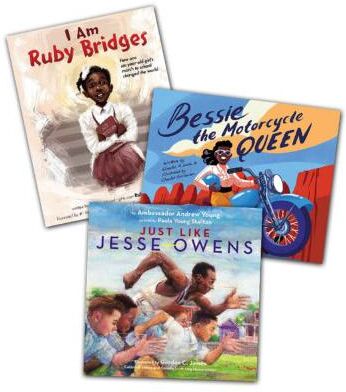
Scholastic Share Black Stories: Picture Book ProfilesThese three stories are tales of hope, courage, and inspiration.This set includes:Bessie the Motorcycle QueenI Am Ruby BridgesJust Like Jesse Owens Share Black Stories: Picture Book Profiles47,57 $*Shipping: 0,00 $Secure redirect to the provider
-
Pfaltzgraff Winterberry Red Ribbon Share Plate, 12 InchAs fall turns to winter, bright holly berries make their appearance. Winterberry by Pfaltzgraff is the holiday classic that brings this timeless motif to life in elegantly sculpted dinnerware and serveware, beautiful glassware, and joyous giftware.29,49 $*Shipping: 0,00 $Secure redirect to the provider
-
Thumbs Up Care Bears Digital Pet - Share BearMeet Share Bear, the sweet purple Care Bear brought to life as an interactive handheld virtual pet. Small, colourful and full of personality, she brings classic Care Bears charm into a fun digital play experience you can take anywhere. With her signature heart shaped lollipop belly badge, Share Bear encourages kindness and caring through simple mini games, nurturing activities and expressive pixel style animations. Children can look after her, play along and enjoy gentle lessons about empathy, friendship and sharing while having fun. Unlock the magic with retro inspired gameplay and easy portable fun that blends 90s nostalgia with modern screen time enjoyment. A lovely gift idea for Care Bears fans, collectors or anyone looking for a positive and playful virtual pet companion. • Meet Share Bear: The lovable purple Care Bear with her heart-shaped lollipop belly badge, brought to life as a fun and interactive virtual pet. • Kindness-Focused Mini Games: Play simple games that encourage sharing and positive play, helping children learn through fun interaction. • Care & Nurture Gameplay: Feed, clean and look after Share Bear just like a classic virtual pet, building caring habits along the way. • Retro Pixel Screen Display: Watch her world come to life on a compact, colourful pixel screen that blends nostalgic charm with modern play. • Expressive Sounds & Reactions: Enjoy sweet animations, cheerful sounds and signature expressions that reflect Share Bear’s joyful personality. • Expressive Sounds & Reactions: Enjoy sweet animations, cheerful sounds and signature expressions that reflect Share Bear’s joyful personality. • Thoughtful Gift for Care Bears Fans: A cute and meaningful present for kids, collectors and anyone who loves nostalgic characters.15,49 £*Shipping: 0,00 £Secure redirect to the provider
-
"Care Bears: Storables 12"" Box - Share Bear - Ages 1+""CARE BEARS: STORABLES 12"" - SHARE BEAR - Care Bears Storables! Join the craze and become amazed! Adorable Storables transform from a box to a cubby. Adorable Storables large lid allows you to have even more stuff in your storable."59,44 $*Shipping: 0,00 $Secure redirect to the provider
-
What does media literacy mean?
Media literacy refers to the ability to access, analyze, evaluate, and create media in a variety of forms. It involves understanding how media messages are constructed, and being able to critically assess the information and ideas presented. Media literacy also includes the skills to effectively communicate through media, and to use media in a responsible and ethical manner. Overall, media literacy empowers individuals to be informed and active participants in our media-saturated society. **
-
Does the truth really need media literacy?
Yes, the truth does need media literacy. Media literacy helps individuals critically analyze and evaluate the information they consume, enabling them to discern between factual information and misinformation. In today's digital age, where information is easily accessible and can be easily manipulated, media literacy is essential for ensuring that the truth is not distorted or misrepresented. By being media literate, individuals can better navigate the vast amount of information available to them and make informed decisions based on accurate and reliable sources. **
-
What are the differences between mathematical literacy and mathematics?
Mathematical literacy refers to the ability to understand and use mathematics in everyday life, such as interpreting data, making decisions based on numerical information, and solving practical problems. It focuses on the application of mathematical concepts in real-world situations. On the other hand, mathematics is the academic discipline that involves the study of numbers, quantities, shapes, and patterns, and the relationships between them. It is a more formal and abstract study of mathematical concepts, often involving rigorous proofs and theoretical frameworks. While mathematical literacy emphasizes practical application, mathematics focuses on theoretical understanding and development of mathematical principles. **
-
What are the differences between basic mathematical literacy and mathematics?
Basic mathematical literacy refers to the ability to understand and use fundamental mathematical concepts and skills, such as arithmetic, basic algebra, and geometry, to solve everyday problems. It involves being able to interpret and use numbers, measurements, and basic mathematical operations in practical situations. On the other hand, mathematics encompasses a much broader and deeper understanding of mathematical concepts, theories, and principles. It involves the study of advanced topics such as calculus, statistics, and abstract algebra, and the ability to apply mathematical reasoning and problem-solving skills to complex and theoretical problems. In essence, mathematical literacy is a foundational understanding of basic mathematical concepts, while mathematics involves a more advanced and comprehensive study of the subject. **
Similar search terms for Literacy
-
"Care Bears: Storables 8"" Box - Share Bear - Ages 1+""CARE BEARS: STORABLES 8"" - SHARE BEAR - Care Bears Storables! Join the craze and become amazed! Adorable Storables transform from a box to a cubby. Adorable Storables large lid allows you to have even more stuff in your storable."33,87 $*Shipping: 0,00 $Secure redirect to the provider
-
"Care Bears: Storables 10"" Box - Share Bear - Ages 1+""CARE BEARS: STORABLES 10"" - SHARE BEAR - Care Bears Storables! Join the craze and become amazed! Adorable Storables transform from a box to a cubby. Adorable Storables large lid allows you to have even more stuff in your storable."62,49 $*Shipping: 0,00 $Secure redirect to the provider
-
"Pavilion Share the Love Heart Bowl with Bamboo Spoon - 4.5"""Share memorable moments with this charming heart-shaped ceramic bowl and bamboo spreader set. Featuring a speckled glaze, raised “share the love” lettering, and hand-painted rim, it adds a warm artisanal touch to any gathering.23,59 $*Shipping: 0,00 $Secure redirect to the provider
-
Life Fitness Atmos Elliptical Discover SE4 16More From Every Cardio Slot Cardio areas have to balance a lot: space, presentation, ease of use and equipment that gets attention. Your guests get a familiar elliptical feel with a fixed 49.5 cm stride, oversized pedals, and a low 25 cm step-up height.Go hands-on with the moving handlebars when...7950,00 £*Shipping: 0,00 £Secure redirect to the provider
-
Should media literacy not become a mandatory subject in schools?
Media literacy should become a mandatory subject in schools because it is essential for students to develop critical thinking skills and the ability to analyze and evaluate media messages. In today's digital age, students are constantly bombarded with information from various sources, and it is crucial for them to be able to discern between credible and unreliable sources. Media literacy also helps students understand the impact of media on society and their own lives, empowering them to make informed decisions. By integrating media literacy into the curriculum, schools can better prepare students to navigate the complex media landscape and become responsible, discerning consumers of information. **
-
Does anyone know good arguments for why media literacy is so important?
Media literacy is crucial in today's digital age because it helps individuals critically analyze and evaluate the information they consume. By understanding how media messages are constructed and the potential biases they may contain, people can make more informed decisions and avoid being manipulated by false or misleading content. Media literacy also empowers individuals to be active and responsible participants in society, enabling them to engage in meaningful discussions, challenge misinformation, and contribute to a more informed and democratic society. **
-
When can one expect measures to promote media literacy in children and adolescents?
Measures to promote media literacy in children and adolescents can be expected to be implemented in educational settings, such as schools and after-school programs. Additionally, parents and caregivers can also play a crucial role in promoting media literacy by engaging in conversations with their children about media content and teaching them critical thinking skills. Furthermore, government and non-profit organizations may also implement initiatives to promote media literacy through public awareness campaigns and policy advocacy. Overall, promoting media literacy in children and adolescents is an ongoing effort that involves collaboration between various stakeholders. **
-
What responsibility do parents and legal guardians have in promoting media literacy in children?
Parents and legal guardians have a significant responsibility in promoting media literacy in children. They should actively engage with their children about the media they consume, teaching them to critically analyze and question the messages and content they encounter. It is important for parents to set guidelines and boundaries for media use, and to model healthy media consumption habits themselves. By fostering open communication and providing guidance, parents and legal guardians can help children develop the skills to navigate and understand the media landscape. **
* All prices are inclusive of VAT and, if applicable, plus shipping costs. The offer information is based on the details provided by the respective shop and is updated through automated processes. Real-time updates do not occur, so deviations can occur in individual cases. ** Note: Parts of this content were created by AI.